
Context
The business delivered integrated security and IT systems, but the website looked like a local ad-hoc installer.
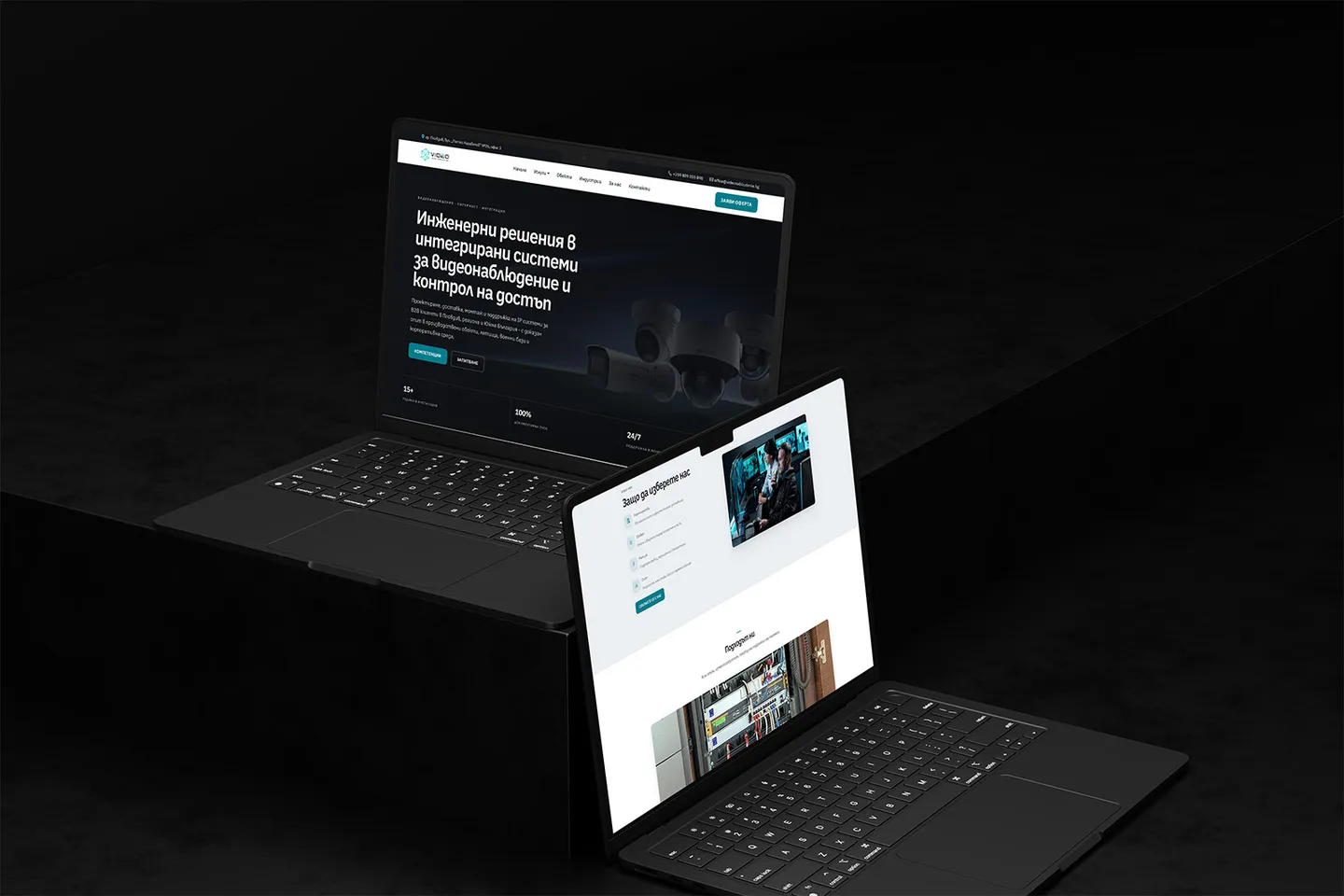
A B2B-first digital system that reframed the company from local installer to integrated security partner.
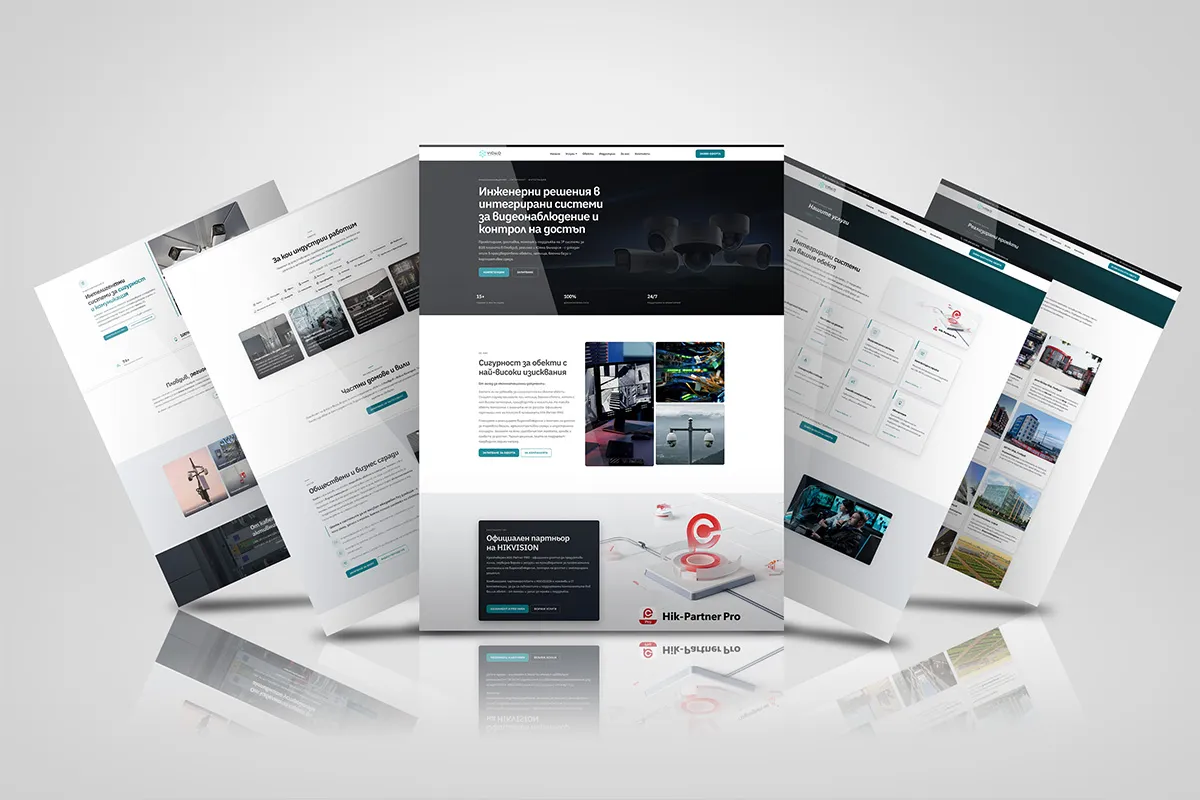
After several failed attempts with other providers, the client chose UX UI MATE for a clear process, professional communication, and strong understanding of web design and user behavior.
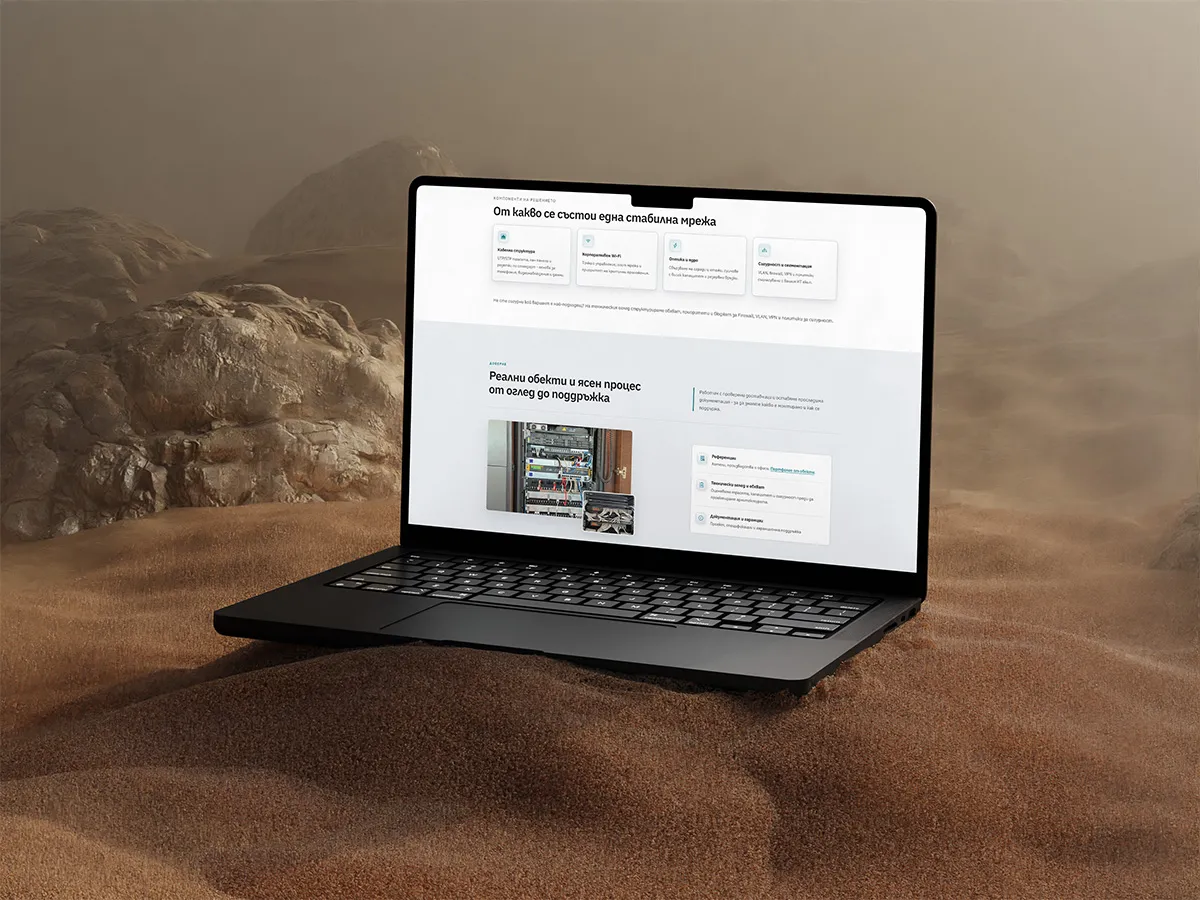
The full site was rebuilt from scratch through research, structure, Figma UI, development, usability testing, and post-launch support.
The business delivered integrated security and IT systems, but the website looked like a local ad-hoc installer.
Buyers could not quickly verify capability, process, or enterprise-level proof signals across pages.
Reframe perception to B2B systems partner with one coherent story from first visit to enquiry.
Rebuild UX structure, visual hierarchy, and technical clarity so procurement and technical stakeholders can decide faster.
Eight clear delivery phases from discovery to post-launch support.
Stakeholder interview and a detailed project questionnaire to fully understand the business, audience, and goals.
Audit of the existing site, competitor analysis, identification of UX problems and key user flows.
Mood board, typography system, colour palette, and visual concept approved before any design work began.
All pages designed responsive in Figma - desktop, tablet, and mobile - with two rounds of client revisions included.
Two real users from the target business audience tested the site, with findings used to make final UX corrections.
Hand-written HTML and CSS, semantic structure, responsive implementation and performance optimisation across all pages.
Heading structure, meta titles and descriptions, keyword integration, alt texts, and Schema.org markup implemented across all live routes.
One month post-launch period for real-world testing, bug fixes, and content corrections before final handoff.
We ran moderated sessions with technical and commercial profiles to identify where confidence dropped in the first journey steps. Real site photography and visible aftercare signals consistently outperformed generic marketing patterns. These findings shaped hierarchy so high-trust evidence appears early, not buried.
We replaced fragmented page logic with a repeatable structure: intent, integrated scope, proof, then enquiry. This model mirrors how B2B buyers de-risk procurement decisions. Every key page now reinforces the same single-system narrative.
The shipped experience now reads as an integrated systems partner instead of a one-off installer. Qualification conversations start deeper because decision-makers can verify capability and delivery approach faster. UX, UI, code, and SEO stayed under one direction, so quality held from concept to launch.
Outcomes
Outcomes focused on enterprise positioning, search discoverability, and higher-intent enquiries.